Modern enterprises depend on fast, secure, and reliable connectivity to support cloud applications, hybrid workforces, and digital transformation initiatives. As businesses expand across multiple locations, choosing the right wide area networking solution becomes a critical decision.
Two of the most widely adopted enterprise networking technologies are Software Defined Wide Area Network (SD-WAN) and Multiprotocol Label Switching (MPLS). While both are designed to connect branch offices, data centers, and cloud resources, they differ significantly in architecture, flexibility, scalability, and cost.
Understanding the strengths of each solution helps organizations build a network that supports current business operations while preparing for future growth. This guide compares SD-WAN and MPLS to help businesses make an informed networking decision.
Understanding SD-WAN and MPLS
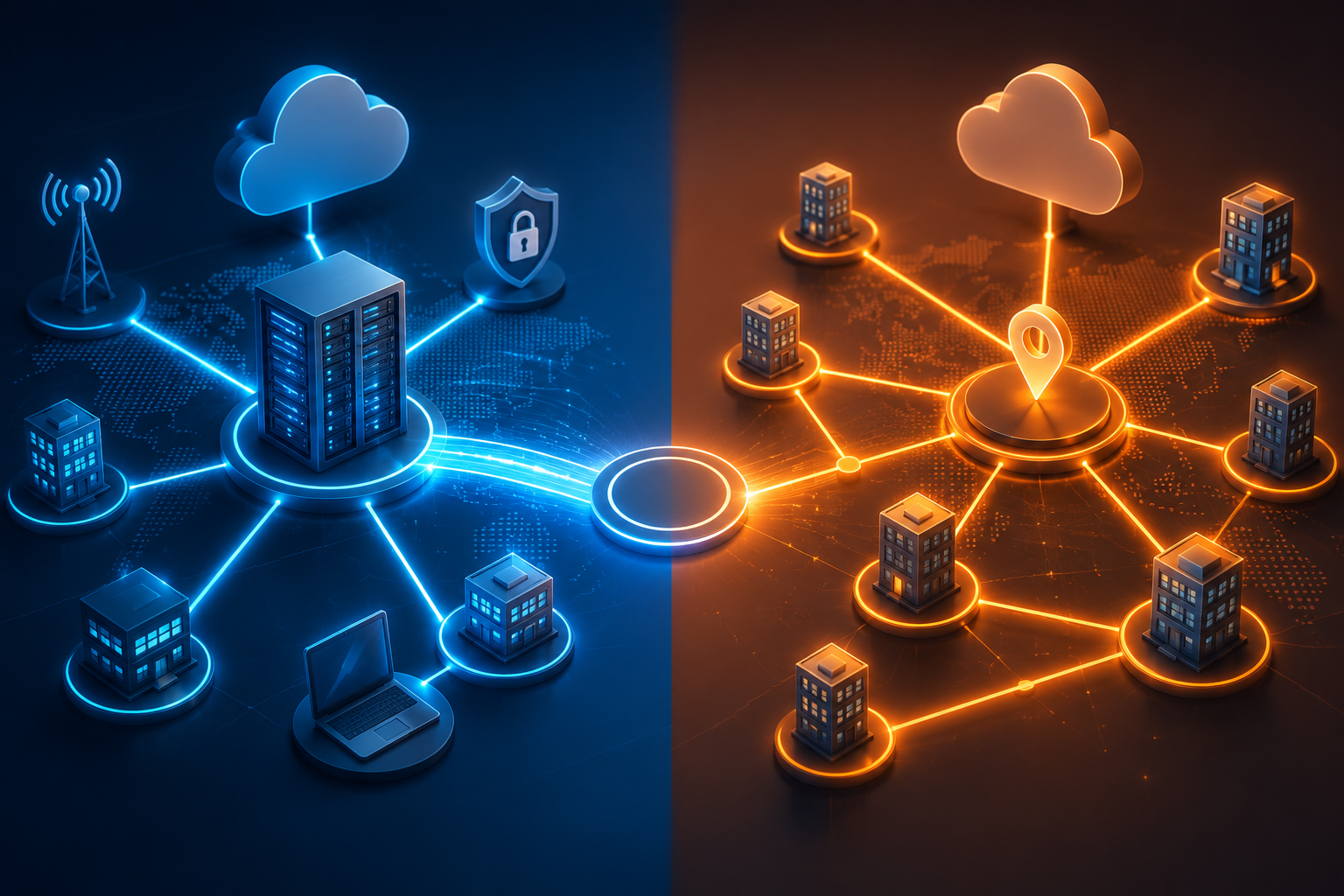
MPLS has been a trusted enterprise networking technology for many years. It creates private, dedicated communication paths between business locations, ensuring consistent performance, predictable latency, and high reliability. This makes MPLS ideal for organizations running mission critical applications where stability is essential.
SD-WAN is a modern software driven networking solution that intelligently manages traffic across multiple connection types, including broadband, fiber, LTE, and MPLS. Instead of relying on fixed routing paths, SD-WAN continuously monitors network performance and automatically selects the most efficient path for each application.
As cloud adoption and remote work continue to grow, many organizations are moving toward SD-WAN because it provides greater flexibility, centralized management, and better cloud application performance.
Comparing Performance, Security, and Scalability
Performance is one of the most important considerations when selecting a networking solution.
MPLS delivers reliable and predictable performance through dedicated private circuits. It is particularly effective for applications that require low latency and guaranteed quality of service, such as financial transactions, voice communications, and enterprise resource planning systems.
SD-WAN improves performance by dynamically routing traffic based on real time network conditions. Critical applications receive priority, while less sensitive traffic is directed through alternative connections. This intelligent routing improves application responsiveness and maximizes available bandwidth.
From a security perspective, MPLS benefits from private infrastructure, while SD-WAN incorporates advanced technologies such as encrypted tunnels, Zero Trust security, centralized policy management, and secure remote access.
When it comes to scalability, SD-WAN allows organizations to connect new branch offices quickly using existing internet services, reducing deployment time and operational complexity.
Choosing the Right Network Strategy for Your Business
Selecting between SD-WAN and MPLS depends on your organization’s operational priorities, existing infrastructure, and future business goals.
Businesses that require guaranteed performance for critical applications may continue to benefit from MPLS. Industries such as banking, healthcare, and government often value the stability and predictable service levels provided by private networking.
Organizations embracing cloud computing, Software as a Service applications, and hybrid work environments often find SD-WAN to be a better fit. It provides centralized visibility, simplifies network management, and enables secure connectivity across distributed locations.
Many enterprises now combine both technologies to create a hybrid network. This approach uses MPLS for mission critical applications while SD-WAN manages internet and cloud traffic, providing both reliability and flexibility.
Business Benefits and Why Choose Qsera
Implementing the right networking strategy delivers measurable business benefits. Employees experience faster application access, customers benefit from reliable digital services, and IT teams gain better visibility into network performance.
Retail organizations use SD-WAN to connect multiple stores while optimizing cloud based point of sale systems. Healthcare providers rely on secure connectivity for patient records and telemedicine. Manufacturing companies connect production facilities, warehouses, and offices to improve operational efficiency. Financial institutions depend on reliable networking to process transactions securely and maintain compliance.
Qsera helps businesses evaluate their networking requirements and design solutions that align with operational objectives. Our enterprise networking services include SD-WAN deployment, MPLS connectivity, Dedicated Internet Access, cloud networking, managed network services, business continuity planning, and proactive network monitoring.
Conclusion
There is no single networking solution that fits every business. The right choice depends on application requirements, security needs, scalability goals, and long term business strategy. Whether your organization selects MPLS, SD-WAN, or a hybrid approach, partnering with an experienced connectivity provider ensures your network remains secure, reliable, and ready for future growth. Qsera delivers enterprise networking solutions that help businesses improve performance, simplify operations, and confidently support digital transformation.
Frequently Asked Questions
Common questions about this topic.
MPLS uses dedicated private circuits to provide predictable network performance, while SD-WAN intelligently routes traffic across multiple connection types to improve flexibility, cloud performance, and cost efficiency.
SD-WAN is generally better for cloud applications because it provides direct internet access, intelligent traffic routing, and optimized performance for Software as a Service platforms.
Yes. MPLS remains an excellent option for organizations that require guaranteed performance, low latency, and highly reliable connectivity for mission critical applications.
Yes. Many enterprises deploy a hybrid network where MPLS supports critical applications while SD-WAN manages internet and cloud traffic to improve flexibility and reduce operational costs.
Qsera provides customized networking solutions including SD-WAN, MPLS, Dedicated Internet Access, managed services, cloud connectivity, and continuous network monitoring to help businesses build secure and scalable enterprise networks.
Ready to Build a Better Network?
Talk to Qsera's enterprise networking experts about the right connectivity solution for your business.
More insights on enterprise networking and connectivity.
UncategorizedAugust 25, 2026 5 min read
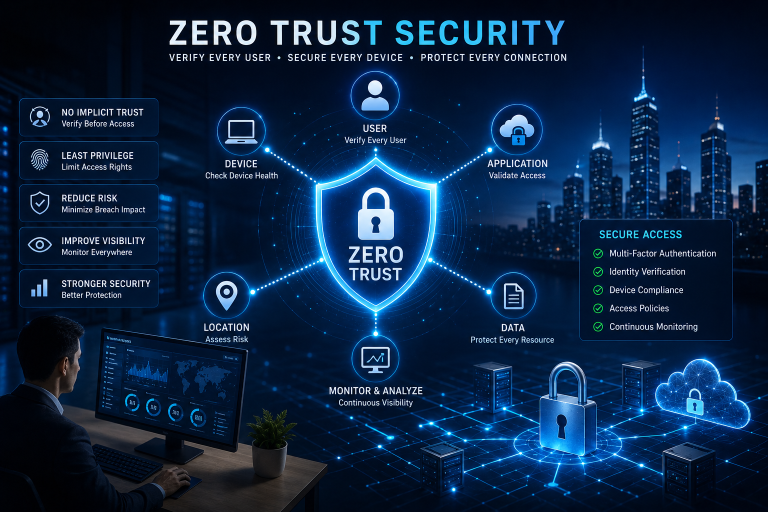
Zero Trust Network Security: How Modern Enterprises Can Secure Every User, Device, and Connection
Introduction Enterprise networks are no longer limited to employees working from a corporate office. Employees connect from branch offices, homes, public networks, mobile devices, and cloud environments every day. At the same time, businesses depend on SaaS applications, cloud platforms, connected devices, and third-party services. This expanded digital environment has made traditional perimeter-based security increasingly […]
UncategorizedAugust 20, 2026 6 min read
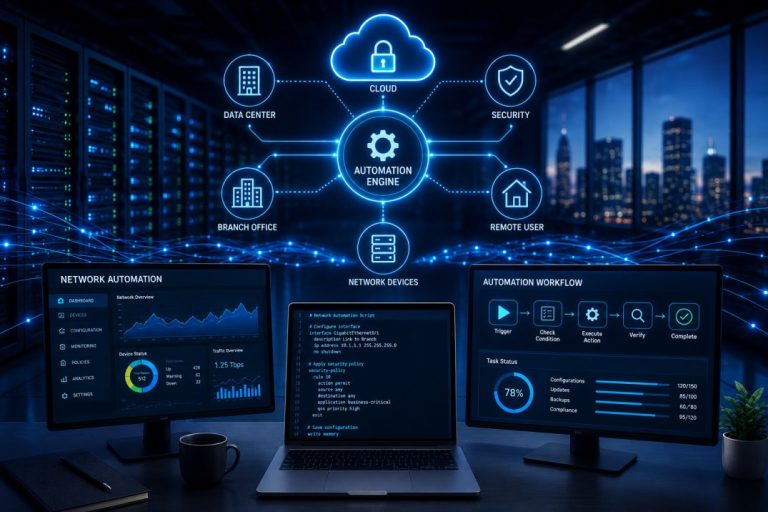
Network Automation in 2026: How Enterprises Can Build Smarter, Faster, and More Reliable Networks
Introduction Enterprise networks are becoming increasingly complex. Businesses now operate across multiple offices, cloud platforms, data centers, remote locations, applications, and connected devices. Managing this infrastructure manually can become time-consuming and difficult to scale. IT teams may spend significant time configuring devices, troubleshooting connectivity problems, monitoring traffic, and responding to repetitive network issues. Network automation […]
UncategorizedAugust 18, 2026 8 min read
Fast Internet Isn’t Enough: The Hidden Network Problems Slowing Down Your Business
Introduction A fast internet connection sounds like the obvious solution to a slow business network. But in modern enterprise environments, bandwidth is only one part of the performance equation. A business can have a high-speed internet connection and still experience slow cloud applications, delayed video calls, poor VoIP quality, inconsistent application performance, and frustrating connectivity […]