Technology is evolving at an unprecedented pace, and enterprise networks must evolve with it. Businesses are increasingly adopting cloud computing, artificial intelligence, hybrid work, Internet of Things devices, and digital collaboration platforms that require secure, reliable, and scalable connectivity. Traditional networking infrastructure often struggles to support these modern business requirements, resulting in performance bottlenecks, security challenges, and limited scalability.
A future ready network is designed to adapt to changing business needs while delivering high performance, enhanced security, and seamless connectivity. Organizations that invest in modern networking technologies are better positioned to improve operational efficiency, enhance customer experiences, and support long term digital transformation.
This guide explores the essential technologies that every enterprise should consider when building a future ready network.
Why Traditional Networks Are No Longer Enough
Many legacy enterprise networks were designed before cloud computing, remote work, and Software as a Service applications became standard business practices.
As organizations expand, network traffic becomes more complex, requiring greater bandwidth, stronger security, and intelligent traffic management. Traditional infrastructure often lacks the flexibility needed to support modern workloads and distributed workforces.
Without modernization, businesses may experience slower application performance, increased downtime, higher maintenance costs, and reduced productivity.
Upgrading to a future ready network allows organizations to remain competitive while preparing for emerging technologies and evolving customer expectations.
Essential Technologies for a Modern Enterprise Network
A modern enterprise network combines several technologies that work together to deliver performance, security, and scalability.
Dedicated Internet Access provides guaranteed bandwidth and reliable connectivity for mission critical business applications.
SD WAN intelligently manages network traffic across multiple internet connections, improving application performance while reducing operational costs.
Cloud connectivity enables secure and efficient access to cloud platforms such as Microsoft Azure, Amazon Web Services, Microsoft 365, and Google Workspace.
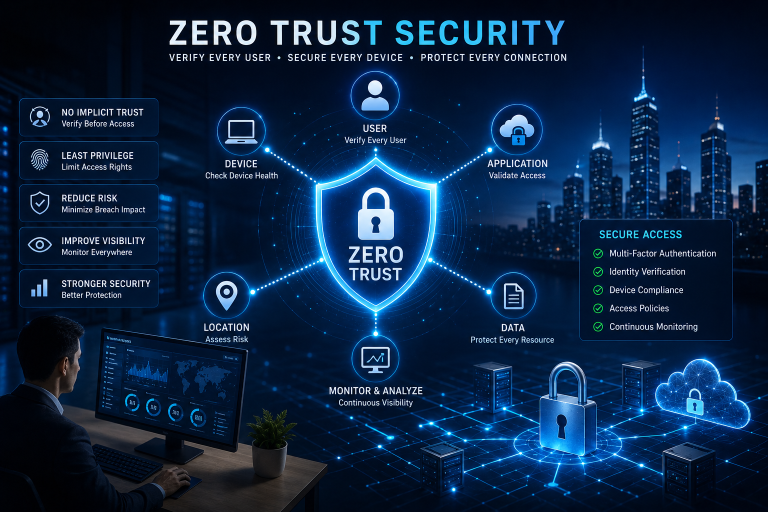
Enterprise grade cybersecurity solutions including firewalls, Zero Trust architecture, multi factor authentication, and encrypted communications help protect sensitive business data.
Proactive network monitoring provides real time visibility into infrastructure health, allowing IT teams to identify and resolve issues before they impact users.
Together, these technologies create a strong foundation for reliable and secure enterprise networking.
Key Benefits of a Future Ready Network
Organizations that modernize their network infrastructure experience significant business advantages.
Employees gain faster access to applications and collaboration tools, improving productivity across departments.
Customers benefit from reliable digital services and consistent online experiences.
Businesses can adopt new technologies more quickly because scalable networking infrastructure supports future expansion without major redesigns.
Modern security controls reduce cyber risks while helping organizations maintain compliance with industry regulations.
Centralized management simplifies network administration, reduces operational complexity, and improves visibility across all connected locations.
Why Choose Qsera for Enterprise Networking
Building a future ready network requires strategic planning, industry expertise, and reliable technology solutions. Qsera partners with businesses to design and implement networking infrastructure that supports growth, security, and operational excellence.
Our enterprise networking solutions include Dedicated Internet Access, SD WAN, MPLS, cloud connectivity, managed network services, cybersecurity integration, proactive monitoring, and business continuity planning.
Our experienced team evaluates your existing infrastructure, identifies improvement opportunities, and delivers customized solutions that align with your business objectives.
Conclusion
Enterprise networking is no longer just about connecting devices. It is about creating a resilient, secure, and scalable digital foundation that enables business growth and innovation. By investing in modern networking technologies and partnering with an experienced provider like Qsera, organizations can improve performance, strengthen security, and confidently prepare for future technological advancements.
Frequently Asked Questions
Common questions about this topic.
A future ready enterprise network is a modern networking infrastructure designed to support cloud computing, hybrid work, digital transformation, advanced security, and business growth.
Key technologies include Dedicated Internet Access, SD WAN, MPLS, cloud connectivity, enterprise cybersecurity, proactive network monitoring, and managed network services.
Modernization improves performance, enhances security, supports cloud applications, reduces downtime, and prepares businesses for future technology adoption.
It provides faster application access, reliable connectivity, simplified management, improved customer experiences, and greater operational efficiency.
Qsera delivers customized enterprise networking solutions backed by industry expertise, proactive monitoring, scalable infrastructure, and dedicated technical support to help businesses build secure and future ready networks.
Ready to Build a Better Network?
Talk to Qsera's enterprise networking experts about the right connectivity solution for your business.
More insights on enterprise networking and connectivity.
UncategorizedAugust 27, 2026 7 min read
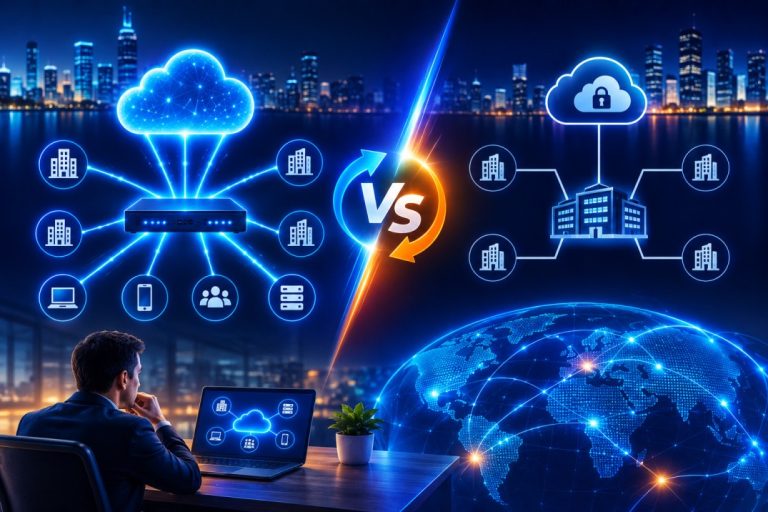
SD-WAN vs MPLS: Which Network Strategy Is Right for Your Business in 2026?
Introduction Enterprise networking has changed significantly as businesses move more applications, workloads, and collaboration tools to the cloud. Organizations now need reliable connectivity between offices, remote employees, data centers, cloud platforms, and business applications. For many years, MPLS has been a preferred technology for connecting enterprise locations. However, SD-WAN has emerged as a flexible alternative […]
UncategorizedAugust 25, 2026 5 min read
Zero Trust Network Security: How Modern Enterprises Can Secure Every User, Device, and Connection
Introduction Enterprise networks are no longer limited to employees working from a corporate office. Employees connect from branch offices, homes, public networks, mobile devices, and cloud environments every day. At the same time, businesses depend on SaaS applications, cloud platforms, connected devices, and third-party services. This expanded digital environment has made traditional perimeter-based security increasingly […]
UncategorizedAugust 20, 2026 6 min read
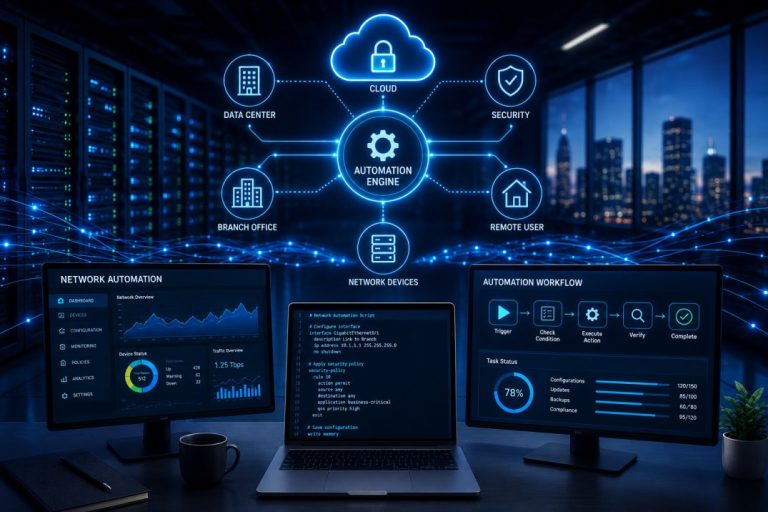
Network Automation in 2026: How Enterprises Can Build Smarter, Faster, and More Reliable Networks
Introduction Enterprise networks are becoming increasingly complex. Businesses now operate across multiple offices, cloud platforms, data centers, remote locations, applications, and connected devices. Managing this infrastructure manually can become time-consuming and difficult to scale. IT teams may spend significant time configuring devices, troubleshooting connectivity problems, monitoring traffic, and responding to repetitive network issues. Network automation […]